

lighted bathroom vanity mirror
Check valve, also known as non-return valve, single flow valve, one-way valve or backstop valve, its main role is to ensure that the medium in the pipeline directional flow without the function of backflow. This article will introduce the working principle of slow-closing muffler check valve. First, the use of water pressure regulation Slow-closing muffler check valve inside the main two water chamber composition, the diaphragm under the water chamber of the cut-off port is the water channel, (cut-off port to open the largest area close to the pipe diameter area), the diaphragm on the water chamber is the pressure regulator room, generally when the pump stops working, due to the valve flap of the self-pressure and the pressure on the water chamber, the lower chamber cut-off will be closed off quickly 90% of the remaining 10% need to use the conduit to the valve after pressure Passed to the upper water cavity, with the outlet pressure in the upper water cavity continues to increase, the cut-off port will slowly close the remaining 10%, so the slow-closing muffler check valve can play the role of slow-closing muffler. Control valve Slow-closing muffler check valve in use needle valve counterclockwise rotation 2 ½ turns, the control valve open 1/2 turn can be opened, if you find the phenomenon of water hammer, can be slightly adjusted to close the small control valve, and then counterclockwise fine-tuning to open the large needle valve, so that the phenomenon of water hammer is gradually eliminated. When the valve begins to feed water from the inlet side, the water flow will pass through the needle valve and finally enter the main valve control room, the outlet pressure will be applied to the pilot valve through the action of the conduit. When the resulting outlet pressure is finally higher than the pilot valve spring setting, the pilot valve closes. When the control chamber stops draining, the pressure in the main valve control chamber rises and closes the main valve, at which point the outlet pressure no longer rises. The above is the introduction of the slow-closing muffler check valve working principle of the problem.
about
lighted bathroom vanity mirror
The Importance and Implementation of Grounding in Welding Operations Welding is an essential process in various industries, from automotive to construction, where strong and durable metal joints are crucial. One of the often-overlooked aspects of welding safety and effectiveness is grounding. Proper grounding not only ensures the integrity of the welds but also significantly enhances the safety of the welding operation. In this article, we will explore the significance of grounding in welding, the methods for effective grounding, and the consequences of neglecting this critical aspect. The Significance of Grounding in Welding Grounding in welding refers to the practice of connecting the welding machine to the workpiece or the welding table to establish a low-resistance path for electrical current. This process is pivotal for several reasons 1. Safety Proper grounding helps prevent electrical shocks which can be fatal. In welding operations, the presence of high voltage increases the risk of electric shock. A well-grounded setup diverts stray currents, reducing the potential for hazardous situations. 2. Quality of Welds Grounding is essential for achieving high-quality welds. A poor ground can lead to unstable arcs, excessive spatter, and incomplete fusion, ultimately compromising the strength and integrity of the weld. Consistent grounding ensures stable arc length and smooth operation. 3. Equipment Protection Grounding helps protect welding equipment from damage due to electrical surges. Without proper grounding, equipment can suffer from overheating or failure, leading to costly repairs and downtime. 4. Compliance with Regulations Many safety regulations and standards mandate proper grounding in welding operations. Adhering to these standards not only promotes safety but can also be a legal requirement for businesses in the welding industry. Methods for Effective Grounding Implementing grounding in welding operations involves specific techniques to ensure a reliable and safe connection 1. Using a Ground Clamp The most common method is attaching a ground clamp to the workpiece. The clamp should be firmly secured to a clean, unpainted surface to minimize resistance. Using a copper or bronze clamp can enhance conductivity. grounding welding table 2. Grounding Rods For larger operations or outdoor welding, grounding rods can be driven into the earth to provide a solid grounding point. This is particularly useful in mitigating any high-voltage surges that may occur during welding. 3. Welding Table Grounding For welding tables, a dedicated grounding cable can be attached directly to the table structure. This setup requires all workpieces to be in contact with the table, ensuring a conductive path between the machine and the workpiece. 4. Regular Maintenance Grounding systems should be regularly inspected and maintained. Connections can loosen over time, and corrosion can develop, affecting conductivity. Regular checks ensure a continuous and effective grounding system. Consequences of Neglecting Grounding The failure to properly establish grounding can lead to severe complications 1. Increased Risk of Electrical Shock An ungrounded system poses a serious shock hazard to welders and nearby personnel. Electrical surges can also create arc flash incidents, resulting in injuries or fatalities. 2. Subpar Weld Quality Poor grounding leads to inconsistent arc stability, which can cause weld defects. The integrity of critical structures can be jeopardized, leading to potential failures that could endanger lives. 3. Equipment Damage Neglecting grounding may result in costly damage to welding equipment, leading to downtime and financial loss. Repairing or replacing damaged equipment can strain the budget and delay project completion. 4. Legal Ramifications Businesses that fail to follow grounding regulations may face legal penalties, including fines and shutdowns. Ensuring a safe and compliant welding operation is crucial for long-term success. Conclusion In conclusion, grounding is a fundamental aspect of welding operations that is often underestimated. Its significance in ensuring safety, weld quality, and equipment protection cannot be overstated. By employing effective grounding techniques and adhering to proper safety measures, welders can create a safer working environment and achieve superior results in their projects. As welding professionals continue to advance their skills and technologies, prioritizing grounding will be essential in fostering a culture of safety and excellence in welding practices.
-

High quality industrial productsagement

High quality industrial products
View Details -

Meet the diverse needs of customers

Meet the diverse needs of customers
View Details -

Strict quality control

Strict quality control
View Details -

Top raw materials

Top raw materials
View Details -

Trusted supplier

Trusted supplier
View Details
Our application

news and information
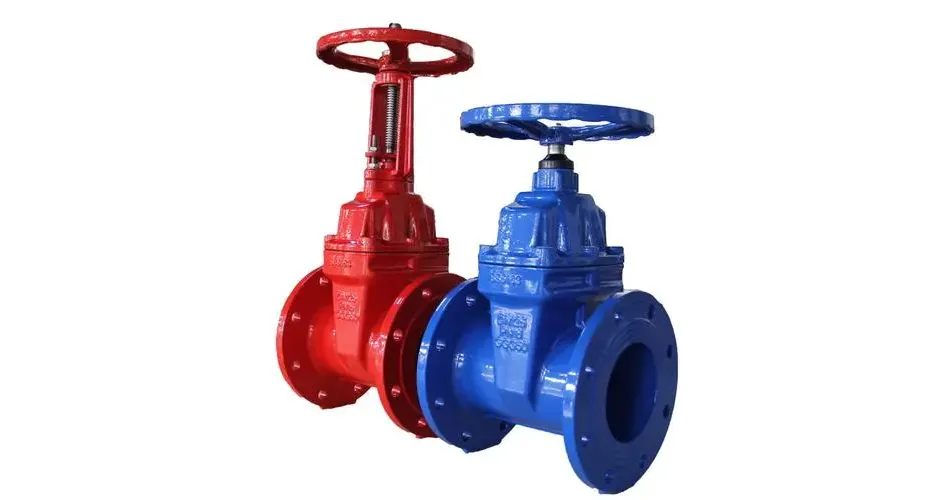
valve gate valve
Understanding Valve Gate Valves An Essential Component in Modern Industry In various industrial appl
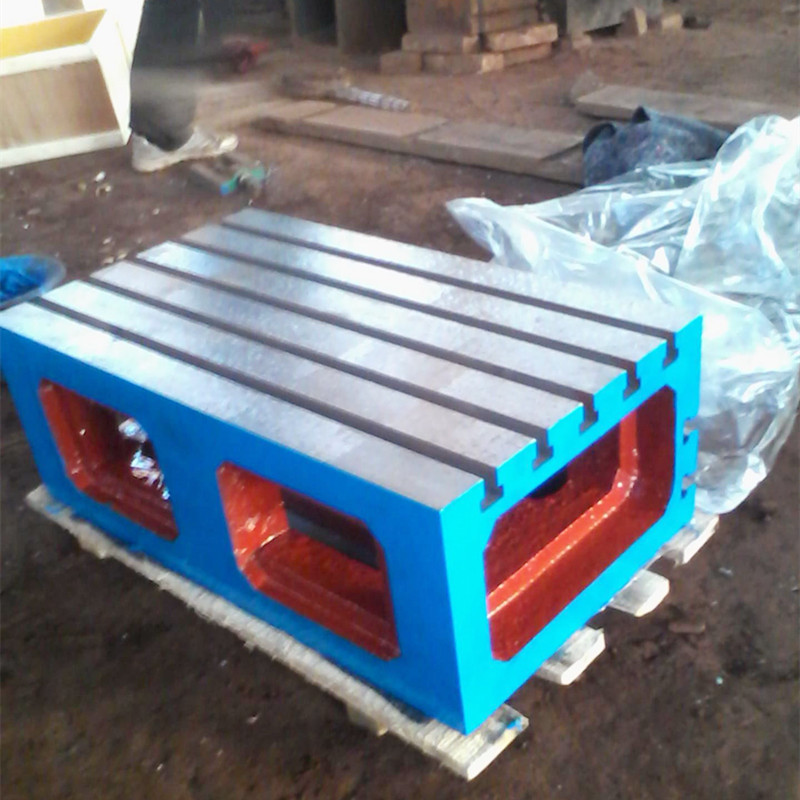
Welding Table Manufacturing Solutions from China for Reliable Performance and Quality
Welding Tables in China A Comprehensive Overview Welding tables are essential tools in the fabricati

Various Types of Control Valves and Their Practical Applications in Industry
Control Valve Types and Applications Control valves are critical components in various industrial pr
 English